Most people working in construction or plumbing have seen "ASTM D2241" written somewhere, a spec sheet, a purchase order, a project requirement, or on the product or its packaging. This is especially true for contractors and infrastructure developers in Lahore and Karachi, where reliable piping systems are essential for residential, commercial, and industrial projects. But not everyone actually knows what it means. And if you're the one signing off on pipe specifications, not knowing is a risk you don't want to take.
So here's what it actually means, in plain language.
What ASTM D2241 Is?
ASTM D2241 is an international standard that covers pressure-rated UPVC pipes. It's published by the American Society for Testing and Materials and sets clear requirements around material composition, pipe dimensions, and pressure performance.
When a pipe meets this standard, it's not just a manufacturer saying "trust us." There's a documented benchmark behind it. For anyone managing a construction or infrastructure project, that distinction matters a lot, especially when the pipes are going underground and won't be easy to access if something goes wrong.
Breaking Down SDR
SDR stands for Standard Dimension Ratio. The number comes from dividing the pipe's outside diameter by its wall thickness. Simple math, but the implications are significant. It's either wasted budget on an over-engineered system or a safety problem waiting to surface, whether you're working on a municipal project in Karachi or a large-scale housing development in Lahore.
A lower SDR means a thicker wall, which means the pipe handles more pressure. A higher SDR means a thinner wall and a lower pressure rating. So SDR 13.5 is built for high-pressure applications, while SDR 64 is suited to low-pressure systems.
Common SDR classes for UPVC pipes, SDR 64, 51, 41, 32.5, 26, 21, 13.5, each map to a specific pressure rating. Choosing the wrong one isn't just a technical mistake. It's either wasted budget on an over-engineered system or a safety problem waiting to surface.
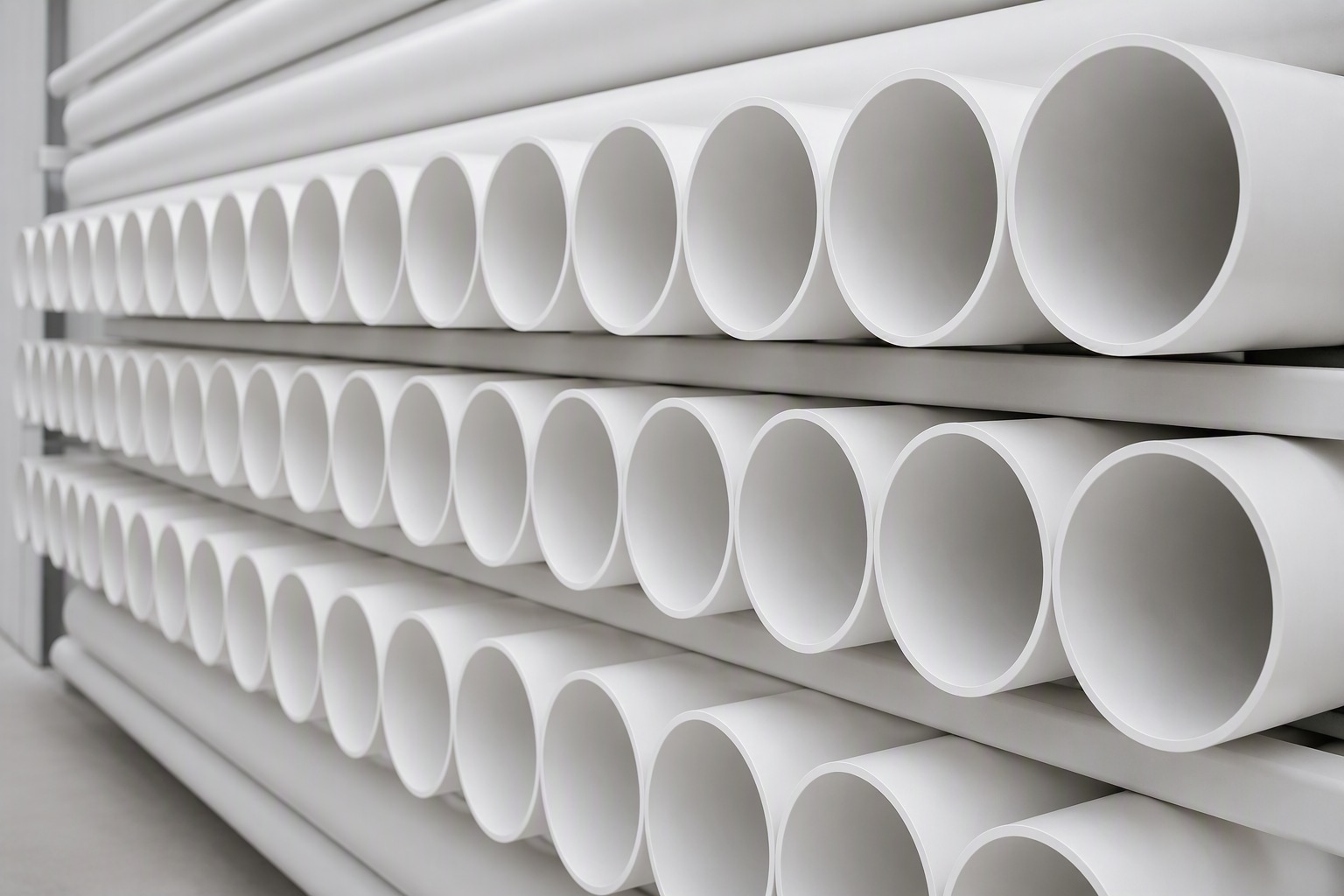
Why UPVC Works for Pressure Applications
UPVC (Unplasticized Polyvinyl Chloride) doesn't rust. It doesn't corrode. It doesn't scale up from the inside the way metal pipes do over time. The smooth internal surface means water flows efficiently without the friction loss that comes with older materials.
It's also lighter than metal, which cuts handling time and installation costs. And because it's unplasticized, it holds its shape under pressure, which is exactly the point.
For UPVC pipes, these aren't just selling points. They translate into fewer maintenance issues, longer service life, and predictable performance across different soil types and temperature conditions.
Why the Standard Protects You?
Specifying ASTM D2241 on a project does something specific: it shifts the performance requirements from a conversation to a documented obligation.
It means the pipe dimensions are verifiable. The pressure ratings come from standardized testing. The material quality meets defined thresholds, not just whatever the manufacturer decided was good enough that week.
In water distribution networks, irrigation infrastructure, or any buried pipeline system, accountability matters enormously. Finding and fixing a failure in a buried system is slow and expensive. Getting the specification right up front costs nothing by comparison.
Getting the Supplier Right
Knowing the standard is half the job. The other half is finding a supplier who actually manufactures it, not one who references it loosely in marketing material.
International Industries UPVC pipes and fittings are built to meet ASTM D2241 across the full range of SDR classes. For engineers and contractors who need reliable, UPVC pipes that perform exactly as specified, that consistency is what makes the difference on site.
Buying from manufacturers who produce to documented international standards and can provide test certifications is worth the small price premium. The accountability that comes with a certified product is real and valuable.
FAQs
What is the difference between SDR 26 and SDR 21 UPVC pipe?
SDR 21 has a thicker wall and higher pressure rating than SDR 26; the right choice depends on your system's operating pressure requirements.
Can UPVC pipes be installed above ground?
They can, but prolonged direct sunlight degrades the material over time; protective coating or shading is recommended for exposed above-ground runs.
Conclusion
ASTM D2241 exists for a reason: to take the guesswork out of a decision that's very hard to reverse once the pipes are in the ground. Understand the standard, specify the right SDR for your pressure requirements, and source from a manufacturer who actually builds to it. Those three steps cover most of what can go wrong. Whether your project is in Karachi, Lahore, or anywhere else in Pakistan, these three steps cover most of what can go wrong.