At the start of a construction or infrastructure project, cheap pipes look like a reasonable call. Lower material costs, easier budgeting, and more room in the overall spend. The numbers make sense on day one. But pipes aren't really judged on day one. They're judged two years in, five years in, ten years in, when what looked like a saving starts showing up as a recurring cost. That's where the reality of cheap pipes problems starts becoming impossible to ignore.
The Savings Don't Last
Lower-cost pipes usually get there by cutting somewhere in the manufacturing process. Thinner walls. Weaker raw materials. Less corrosion protection. Lower pressure resistance. At installation, everything looks fine, but the problems come later, and they come gradually.
A small leak here. A joint that starts to weaken. Pressure handling becomes inconsistent. Corrosion is spreading internally, where no one can see it. Maintenance calls that start becoming routine rather than exceptional. Eventually, sections need replacing well ahead of schedule.
The money that looked saved upfront gets spent, usually several times over, on repairs, labour, water damage, downtime, and eventually system replacement. These are the real-world, cheap pipes problems many property owners and contractors end up dealing with later.
When a Pipe Fails, It's Never Just the Pipe
This is the part that catches people off guard. A failed pipeline doesn't create a neat, contained problem. In a residential building, a leak inside a wall damages flooring, ceilings, electrical systems, and structural elements, all of which require their own repairs. In an industrial environment, a pipeline failure can halt production, create safety risks, damage equipment, and generate losses that dwarf the original cost of the pipe many times over.
And because most piping systems are hidden behind walls, underground, inside structures, getting to them is invasive and disruptive by definition. The repair is never just the pipe.
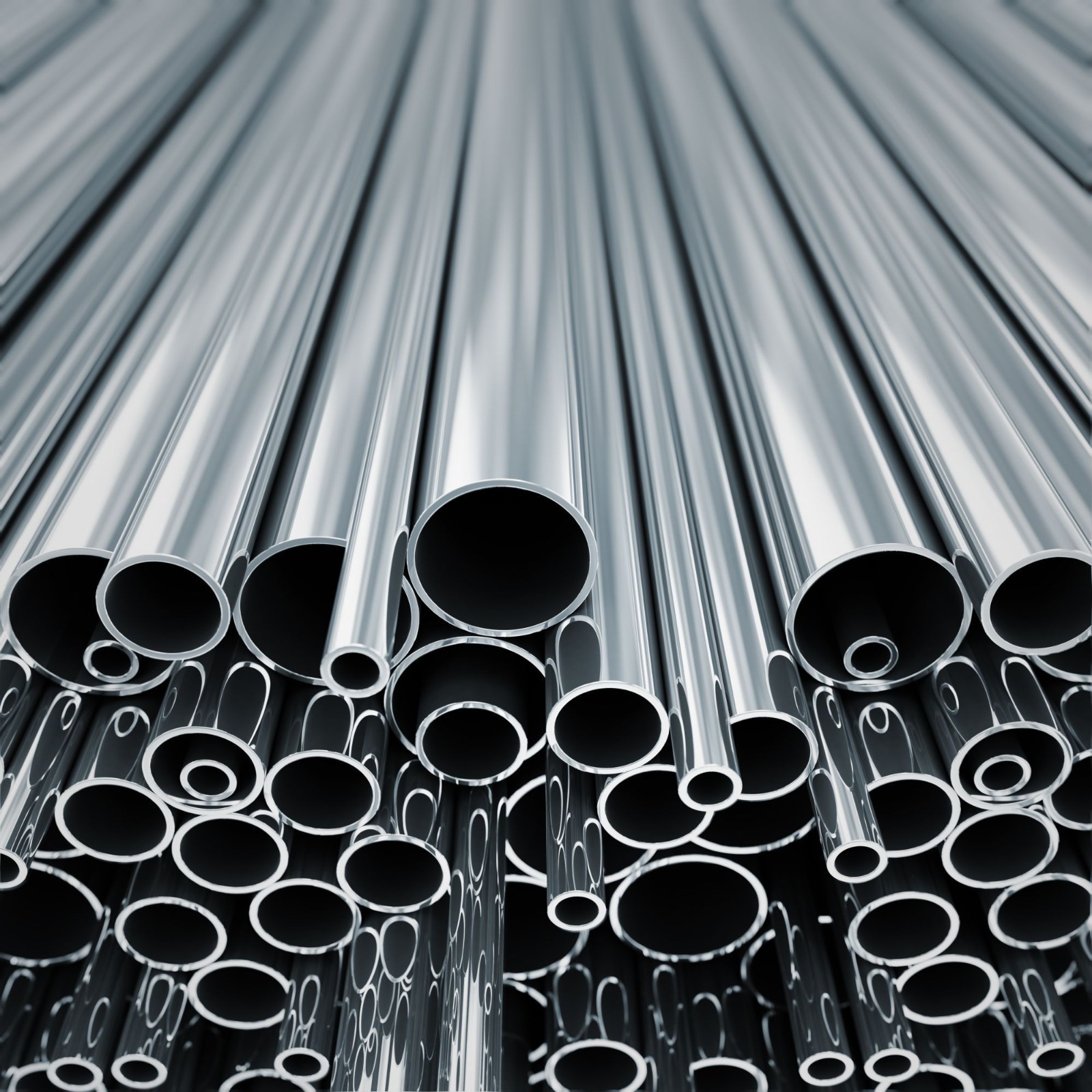
Corrosion Is Usually Where It Falls Apart
Low-quality metal pipes weaken gradually under moisture, chemical exposure, soil conditions, and temperature changes. The damage is invisible until leaks appear, and by the time they do, the internal deterioration has typically been underway for years.
High-quality polymer and properly manufactured steel pipes are specifically engineered to resist these conditions over the long term. A large percentage of cheap pipe problems begin with corrosion that goes unnoticed until serious damage has already happened.
Maintenance Costs Are Where You Really Feel It
A reliable pipe system is designed to run for decades with minimal intervention. A cheap system tends to produce the opposite experience: frequent leakage issues, pressure instability, joint failures, cracking under stress, and a maintenance schedule that becomes its own ongoing cost centre.
Across a project's full lifespan, the cumulative maintenance bill from an inferior piping system consistently outweighs what it would have cost to install quality materials from the start. Modern infrastructure projects increasingly evaluate this through lifecycle costing, looking at installation, maintenance, repairs, and performance across the entire operational lifespan, not just purchase price.
There's an Efficiency Cost Every Day Too
It's not only about failure. Poor-quality pipes with rough internal surfaces increase friction, forcing pumping systems to work harder and consume more energy every single day they operate. Quality HDPE and polymer pipes are designed with smoother internal surfaces specifically to improve flow efficiency and reduce that ongoing energy burden.
Over years of continuous use, that efficiency difference is significant.
Even Good Installation Can't Fix Bad Pipes
Experienced installation teams do their best with the materials they're given. But lower-grade pipes are more likely to warp, crack during fitting, develop weak joints, and fail under pressure testing, creating problems that no amount of skilled labour can fully compensate for.
Reliable long-term performance starts with reliable manufacturing. One can't substitute for the other.
Why International Industries' Standards Matter Here
International Industries produces steel and polymer piping systems, HDPE, PPRC, MDPE, GI, UL firefighting and API line pipes, to international quality standards for water transmission, gas distribution, drainage, industrial applications, and infrastructure projects.
The engineering focus is on durability, corrosion resistance, and long-term operational reliability. For projects where a pipeline failure carries serious consequences, financial, operational, or safety-related, that manufacturing standard is the difference between a system that performs for decades and one that starts creating problems within years.
FAQs
Why do cheap pipes fail faster?
Lower-quality materials and weaker manufacturing standards make them more vulnerable to corrosion, pressure stress, and environmental damage over time, often in ways that aren't visible until significant deterioration has already occurred.
Do quality pipes actually save money long term?
Consistently, yes. Reduced maintenance, fewer repairs, longer service life, and less operational disruption add up to significantly lower total cost over a system's lifespan compared to cheaper alternatives.
Why are polymer pipes increasingly the preferred choice?
Corrosion resistance, long service life, low maintenance requirements, and strong performance across residential, industrial, and infrastructure applications make them a practical long-term investment across a wide range of projects.
Bottom Line
Cheap pipes don't stay cheap. The upfront saving is real, but the downstream cost is usually larger. Pipeline systems have worked under pressure, inside walls, underground, and in demanding environments for decades. When they're built to handle that, they perform quietly and without drama. When they're not, the problems compound in ways that are expensive, invasive, and disruptive to fix.
Most cheap pipes problems don't appear immediately; they build slowly over time until the repair cost becomes far greater than the original savings. Quality stops looking expensive very quickly once you've seen what pipeline failure actually costs.