Turn on a tap and water comes out. Switch on the gas, and it's there. Flush, and it disappears. These things happen so reliably, so quietly, that most people never give them a second thought. Until they stop working.
The moment a city's pipeline infrastructure fails, even partially, even temporarily, you realise very quickly just how much it was depending on it. That's exactly why reliable pipeline systems matter far more than people initially realise.
Urban Life Depends on Essentials that Run Through Pipes
Water supply, sewerage, natural gas, industrial processing, fire suppression, construction, every major urban system involves pipelines in some form. They're not one part of a city's infrastructure. They're the layer underneath almost all of it.
When that layer holds, cities function. When it starts failing, the problems cascade fast. Water shortages. Drainage collapse. Unstable gas supply. Industrial operations are slowing or shutting down. Public health issues follow close behind. None of these stays contained; they ripple outward and affect everything built on top of them. That's why investing in reliable pipeline systems from the beginning is financially smarter.
Water Systems Are Only as Good as Their Pipes
Clean water reaching homes, hospitals, schools, and businesses is so fundamental that it's easy to take for granted. But it depends entirely on a piping network maintaining pressure, resisting corrosion, and staying intact across distances and decades.
When pipes fail, through leaks, corrosion, or material weakness, the consequences are expensive and immediate. Water gets wasted at scale. Supply becomes unreliable. Contamination risks emerge. Maintenance costs escalate.
High-quality steel and polymer pipes avoid most of this by actually performing over the long term rather than degrading prematurely. This is why serious infrastructure projects prioritise reliable pipeline systems rather than chasing short-term savings that cost significantly more later.
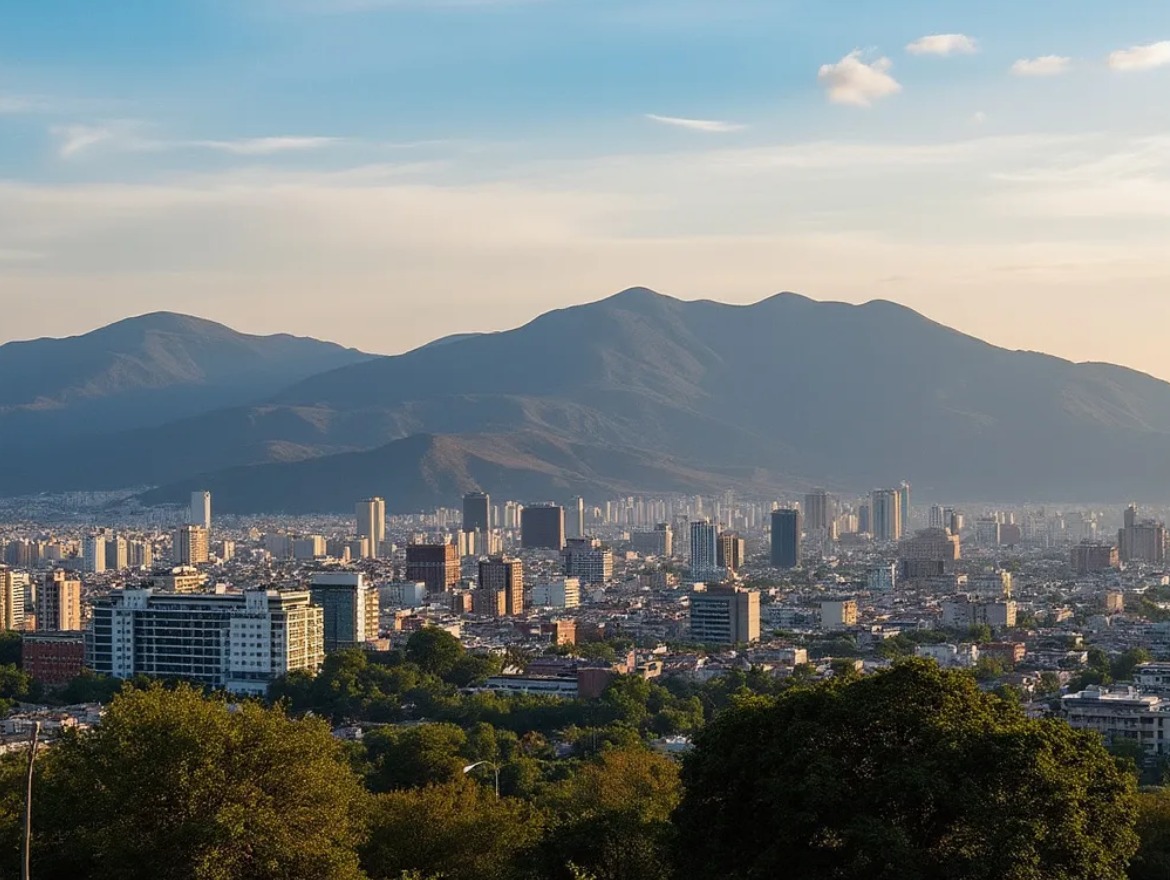
Cities Grow Faster Than Old Infrastructure Was Designed For
Urban expansion puts real pressure on pipeline systems that were often built for a smaller, less dense population. New housing, commercial zones, and industrial areas, all of it increases demand on water networks, sewerage systems, gas distribution, and drainage infrastructure that wasn't designed with current volumes in mind.
Once demand pushes past what an ageing system can handle, failures become more frequent. Repairs become more urgent. Costs compound. This is why cities continuously invest in upgrading pipeline infrastructure, not as an optional improvement, but because the growth they're trying to support simply cannot happen on top of failing systems.
For Industry, Pipeline Failure Isn't an Inconvenience — It's a Crisis
Factories, processing plants, and energy systems depend on uninterrupted flow. A pipeline failure in an industrial setting doesn't just slow things down; it can halt production entirely, create serious safety risks, damage equipment, and generate operational downtime that translates directly into significant financial loss.
This is why companies in critical sectors don't treat piping systems as a place to cut costs. Certified, internationally tested, reliable pipeline systems are the baseline because the cost of a failure dwarfs the savings from cheaper components.
Why the Material Actually Matters
Not all pipes are built to handle what urban infrastructure actually demands. High pressure, corrosive environments, soil movement, temperature extremes, continuous use over decades, these are the real-world conditions that separate pipes that hold up from ones that don't.
International Industries is one of Pakistan's leading manufacturers of steel and polymer pipes, producing pipe systems built to international standards for infrastructure, industrial, and urban development applications. Their range covers steel pipes, HDPE water pipes, gas pipes, and polymer piping systems used across construction, utility, and industrial sectors.
For projects where long-term reliability isn't optional, material quality and manufacturing standards matter enormously. International Industries' track record across Pakistan's infrastructure reflects that.
FAQs
Why are pipeline systems so critical for cities?
Because they support water supply, sewerage, gas distribution, and industrial operations, services that urban life cannot function without at any scale.
What actually happens when urban pipeline systems fail?
Water shortages, flooding, sanitation problems, industrial disruption, and major repair costs often simultaneously affect far more people than the immediate failure point.
Bottom Line
Cities are built on top of systems most people never think about. Reliable pipeline systems are one of the most fundamental among them, quietly keeping water moving, gas flowing, waste clearing, and industries running every single day.
When it works, nobody notices. When it fails, everyone feels it immediately. That's not a reason to take it for granted. It's a reason to get it right from the start.